Safe Storage Guidelines for Washington, DC Homes
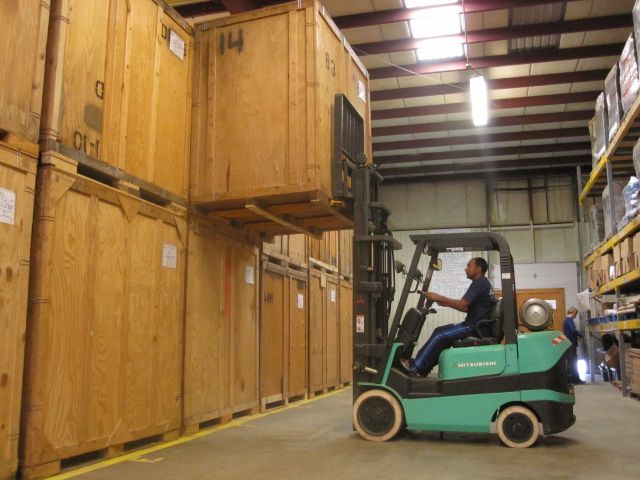
Putting belongings into storage feels straightforward enough. You pack boxes, rent a unit, and close the door. Six months later, you return to find your grandmother’s dining table warped, your leather chairs spotted with mold, and a musty smell clinging to every piece of fabric. What went wrong?
In the Washington, DC area, the answer usually involves humidity, inadequate preparation, or both. At Georgetown Moving and Storage, we’ve helped families across Bethesda, Chevy Chase, McLean, Falls Church, and throughout the District store their belongings safely for decades.
The difference between items that emerge in perfect condition and items that suffer damage almost always comes down to preparation and choosing the right storage environment.
Here’s what you need to know to protect your belongings.
Why Washington, DC-Area Residents Turn to Storage
Life in the DC metro creates storage needs that other regions don’t see as often. Government workers and diplomats rotate through assignments abroad, sometimes for years at a time. Families in Kalorama and along Embassy Row leave for overseas posts and need a safe place for furniture they can’t bring but don’t want to sell, and State Department employees in Foggy Bottom face similar situations with each new assignment.
Renovations drive another wave of storage demand. Older homes in Chevy Chase, Spring Valley, and the Palisades often undergo kitchen expansions, bathroom updates, or full-floor additions. Living around construction dust and contractor traffic is hard enough without furniture crowding every room, so storing your belongings for a few months makes the project more manageable while protecting your belongings.
Downsizing is part of life, and storage offers the time and space to get organized and think about what to keep, what to pass along to children, and what to sell.
Why DMV Weather Demands Climate Control
The DC area is humid. Its subtropical climate zone and temperature swings cause condensation inside unprotected storage units. Over time, exposure to the climate causes wood to warp, leather to mold, photos to stick together, electronics to corrode, and fabric to mildew.
Climate-controlled storage maintains stable temperature and humidity year-round, so your furniture, electronics, and belongings aren’t exposed to the elements. If you’re storing anything other than metal shelving, outdoor furniture, and plastic bins, climate control is essential in the DMV.
Our secure storage facilities in Arlington, VA and Alexandria, VA storage units are climate-controlled to keep your belongings in the same conditions as your home.
What Should Never Go in Storage
You can keep anything in storage you’d put in your garage, right? Wrong! There are several items that become more hazardous in the closed conditions of a storage facility.
Hazardous materials top the list: gasoline, propane tanks, paint thinners, fireworks, and anything flammable or explosive. Perishable food attracts pests that will tear up and poop on everything else in your unit. Even sealed packages can draw rodents and insects.
The other type of item you never want to store is things you might need on short notice. Passports, birth certificates, wills, powers of attorney, and medical records belong in a safe deposit box or fireproof safe at home, not buried in a storage unit. The same goes for medications and anything with an expiration date you’ll need to monitor.
Plants obviously can’t survive in storage, and the same goes for anything living. It sounds obvious, but facilities occasionally discover violations. Anything illegal is prohibited, as are weapons and ammunition in most facilities. When in doubt, ask before assuming something is permitted.
How to Prepare Furniture and Large Items
The best way to preserve your furniture is to clean it well before storing it. Dust, food residue, and stains attract pests and can set permanently over time. Wipe down all the surfaces and let everything dry completely before packing. For wood furniture, a coat of polish creates an additional moisture barrier.
Disassemble anything that you can. Bed frames, dining tables, and modular shelving store more efficiently in pieces, plus you’ll be putting less stress on the joints. Keep all hardware in labeled bags, each taped to its corresponding piece, to make reassembly easier.
Wrap furniture in moving blankets or padded covers rather than plastic wrap. You can use plastic around the moving blanket to hold it in place, but plastic directly against wood can trap moisture and damage the finish or cause mold to grow.
How to Protect Clothing, Documents, and Valuables
Different categories of belongings need different approaches. Clothing and textiles should be laundered before storage, as stains attract pests and can become permanent over time. Use wardrobe boxes for hanging items and sealed plastic bins for everything else. Cedar blocks deter moths without the harsh chemical smell of mothballs. Avoid storing fabrics in cardboard, which absorbs moisture and transfers it to the clothes inside.
Documents and photographs require climate control without exception. Use acid-free boxes and tissue paper for archival protection. Consider digitizing irreplaceable photos as backups, since printed photographs are fragile even when stored in ideal conditions. For critical documents like estate papers or contracts, a safe deposit box may be more appropriate than a storage unit.
Clean and dry appliances thoroughly, especially refrigerators and washing machines, which retain moisture.
For electronics, store items in original packaging when possible. Remove batteries to prevent corrosion (yes, even from the remote), and keep electronics off concrete floors to prevent circuit board damage.
How to Organize Your Unit for Access and Safety
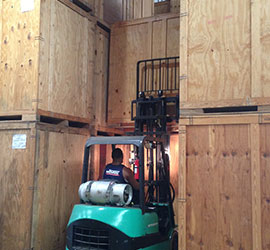
When you store with us, you get full-service storage. Our DC movers pick up your items, wrap the furniture, and transport them to the secure Washington, DC storage unit. We can also bring you a PODS-style portable unit. If you need help boxing items or with custom crating for special pieces, we can do that too.
However, if you’re loading a storage unit yourself, you need to know how to arrange it. Place heavy items on the bottom and lighter boxes on top to prevent crushing. Create a center aisle so you can reach items at the back without unstacking everything. Position items you’re most likely to need near the front of the unit.
We inventory everything we store for you. If you’re storing things on your own, label every box on multiple sides so you can identify contents regardless of how it’s positioned. Keep a written inventory list and consider photographing your unit once it’s packed. If you ever need to file an insurance claim, documentation makes the process far smoother.
Speaking of security, choose a facility with features that matter: gated access, security cameras, and professional management. Use a quality disc lock rather than a standard padlock.
Storage You Can Trust
As GSA-approved movers for government and military relocations, we meet rigorous federal security and accountability standards. Every employee on our team passes a comprehensive background check before they ever handle a customer’s belongings. When diplomats store furniture before overseas assignments or military families need long-term solutions during deployments, they trust us because they know their items are in safe hands.
Need storage space in the Washington, DC area? Call us at (703) 889-8899 or request a free estimate online. Whether you’re storing for a few weeks during a renovation or a few years during an overseas assignment, we’ll help you do it right.