Downsizing or Upgrading? Moving Tips for Fairfax Homeowners
Whether you’re moving from a large home in Fairfax Station to a cozy townhome in downtown Fairfax City, or upgrading from an apartment near George Mason University to a single-family house in Burke, this is the start of a new chapter.
Downsizing and upgrading create different challenges. When you downsize, you need to make hard choices about which belongings to keep and which to let go.
When you upgrade, you face questions about how to furnish larger rooms without spending too much or creating clutter. With smart planning, either move can go smoothly.
How Early Should You Start Planning Your Fairfax Move?
Start planning at least 8-12 weeks before your moving date, if possible. This gives you time to carefully decide what stays and what goes instead of frantically stuffing everything into boxes the days before your move.
Downsizing takes longer than you think because you’re deciding what stays and what goes from decades of accumulated stuff. Give yourself 10-12 weeks minimum.
You’ll need time to sort through everything, maybe host a garage sale or list furniture online, and measure your new place so you know what fits.
Upgrading is usually faster. Eight to ten weeks gives you enough time to shop for a few key pieces without rushing into bad purchases, figure out your room layouts, and handle any touch-up painting or minor fixes before moving day.
What Should You Keep and What Should You Let Go of When Downsizing?
How much of your stuff do you really use? Sorting and rehoming things is not the easiest thing to do, but the truth is that most of us only use a fraction of what we have. Most of us wear the same favorite shirts every week while 30 other shirts hang in the closet. We cook with the same three pots while a dozen others collect dust.
As you go through your items room by room, ask yourself if you’ve used it in the past two years. If not, you probably won’t miss it.
Measure your new rooms, closets, and cabinets before you pack. It will help you be realistic about setting up your new home in an easy-to-use and enjoyable way. Avoid the “I might need this someday” trap. While there may be one or two things worth holding onto, most items you haven’t used in years are best sold or given away to someone who’ll use them.
How Do You Fill Your New Space Wisely When Upgrading?
Moving to a larger home feels exciting. You’ve got all this extra space! But here’s a mistake many Fairfax homeowners make: they rush out to fill every empty corner right away.
Don’t do that. Most people have better results when they live in their new house for at least a month before buying anything major (aside from the washer-dryer, a bed, or other essentials). Spending time in the space helps you visualize the ideal layout and flow. You’ll learn things that save you from expensive mistakes.
Maybe that formal living room you thought would be perfect for entertaining becomes where your kids do homework every afternoon. Maybe morning sunlight floods the spare bedroom, making it ideal for a home office. You won’t know until you live there.
Start With the Rooms and Items You Need to Function
Get your bedrooms, kitchen, and bathrooms fully set up first. You need places to sleep, cook, and shower. Everything else can wait. That bonus room over the garage? It’ll still be there in two months when you’ve figured out whether you want a home gym or a craft room.
Add Furniture That Supports How You Use the Space
Especially if you plan to stay in your new home for a while, one quality sofa beats three cheap ones. When you have more space, it’s tempting to fill it quickly. Resist that urge. Empty space isn’t a problem; it’s potential. Add furniture slowly as you figure out how you use the space and what supports your lifestyle.
One thing that catches people off guard is that furniture that looked huge in your old place might look tiny in your new one. Before you decide whether to move your existing furniture or buy that sectional, use painter’s tape to mark out the dimensions on your floor. Walk around it. Imagine sitting where you’d sit. Does it feel right for the room? If it looks small on the floor outline, it’ll look small when it arrives.
Room-by-Room Moving Tips for Fairfax Homeowners
Whether you’re downsizing or upgrading, these moving tips for Fairfax homeowners make packing and unpacking easier. Dreading packing or too busy to get it done? We offer whole-house or partial packing, with background-checked, trained professionals and sturdy moving supplies.
1. Pack the Less-Used Rooms First
Start in your attic, basement, or garage, wherever you store things you only need once or twice a year. Then move to the guest bedrooms and your formal dining room, which you only use at Thanksgiving. Save your kitchen, master bedroom, and bathrooms for last since you’ll use them right up until moving day.
2. Start With Four Boxes for Every Room
Before you pack, bring four boxes into the room and label them: Keep, Donate, Sell, and Trash. Pick up each item once and put it in the right box. Don’t set things aside to “decide later,” or you’ll end up surrounded by piles with no idea where anything goes. Make the decision now and move on.
3. Label Like Your Sanity Depends on It (Because It Does)
Write both the room name and what’s actually inside on every box. “Master Bedroom – Winter Clothes” is way more helpful than just “Bedroom” when you’re standing in your new house surrounded by 50 identical boxes. Use different colored tape or markers for each room if you want to get fancy. And mark at least three boxes “OPEN FIRST” in huge letters—these hold what you need for your first 24 hours.
4. Make the First Night Easy With a Box of Essentials
To make the transition as smooth as possible, you’ll want one essentials box per person. Items you may need include:
- Phone chargers
- Toiletries
- Medications
- A change of clothes
- Pajamas
Add some paper plates and cups, plastic utensils, toilet paper, and hand soap. Trust us, you don’t want to dig through 20 boxes at 10 p.m. looking for your toothbrush. Keep important documents like your new lease, closing papers, and moving contract in this box, too.
Do You Need Storage During Your Transition?
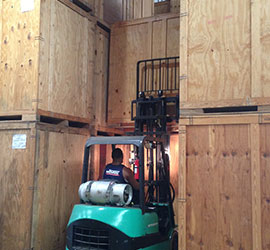
Even with the best planning, you sometimes realize you need short or long-term storage during your move. Whether it’s to bridge a timing gap, have some breathing room, or store important furniture or art pieces for the grandkids, storage can make life easier.
With Northern Virginia’s weather swings from humid 95-degree summers to freezing winters, climate-controlled storage is a must. At Georgetown Moving and Storage, we can integrate storage into your move. Whether you want a POD-like portable container or regular storage, we pick up your items (or container) and keep them safe in our secure, climate-controlled facility.
Get Help from Local Moving Experts
We’ve been helping families move around Fairfax for over 20 years. We know which streets flood during heavy rain, which apartment buildings have the tightest stairwells, and exactly how long it takes to get from Burke to Fairfax Station during rush hour. Every person on our team passes background checks, and we’re GSA-approved for government and military moves.
Want to talk about your move? Call (703) 889-8899 or fill out our online form for a free estimate. We’re here to help.
Planning a move in Fairfax, VA or nearby communities?
Get your free, no-obligation quote from Georgetown Moving and Storage Company — Northern Virginia’s trusted movers for over 20 years.
Discover Full-Service Moving Options in Fairfax, VA
Looking beyond your Fairfax neighborhood? Georgetown Moving and Storage Company offers expert local moving, long-distance services, and secure storage solutions throughout Northern Virginia.
| Services You’ll Love |
|---|